If today you hear his voice, harden not your hearts.
Join us at the Blessing of the Animals
TODAY - Saturday, October 4 at Noon
There will be Coffee and Donuts after the 9:00am Family Mass on Sunday
Friends,
Each October, the Church in the United States observes Respect Life Month, a time to renew our commitment to cherishing and defending the sacred gift of life in all its stages — from conception to natural death.
This year’s theme, “Radical Solidarity,” reminds us that we are called not only to speak about the dignity of life, but to walk with those who are vulnerable, suffering, or forgotten. Whether it’s the unborn child, the elderly neighbor, the refugee seeking safety, or the person struggling with illness or despair — every life is precious in the eyes of God.
As Catholics, we are invited to be witnesses of hope. That means offering compassion, support, and prayer to those in need. It means advocating for life in our families, our communities, and our culture. And it means asking the Lord to open our hearts to see His image in every person we encounter.
Here at Immaculate Heart of Mary, we will be offering opportunities throughout the month to reflect, pray, and act in support of life. I encourage you to participate, and to ask how God might be calling you to deepen your own witness to the Gospel of Life.
Let us pray together: Lord of Life, help us to see Your face in every human soul. Give us courage to defend life, compassion to serve life, and faith to trust in Your plan for each person. Amen.
This year’s theme, “Radical Solidarity,” reminds us that we are called not only to speak about the dignity of life, but to walk with those who are vulnerable, suffering, or forgotten. Whether it’s the unborn child, the elderly neighbor, the refugee seeking safety, or the person struggling with illness or despair — every life is precious in the eyes of God.
As Catholics, we are invited to be witnesses of hope. That means offering compassion, support, and prayer to those in need. It means advocating for life in our families, our communities, and our culture. And it means asking the Lord to open our hearts to see His image in every person we encounter.
Here at Immaculate Heart of Mary, we will be offering opportunities throughout the month to reflect, pray, and act in support of life. I encourage you to participate, and to ask how God might be calling you to deepen your own witness to the Gospel of Life.
Let us pray together: Lord of Life, help us to see Your face in every human soul. Give us courage to defend life, compassion to serve life, and faith to trust in Your plan for each person. Amen.
Sincerely in Christ,
Rev. Stephen Ries
Pastor
Pastor
Church of Immaculate Heart of Mary
8 Carman Road Scarsdale, NY 10583
(914) 723-0276
UPCOMING PARISH EVENTS:
Anointing of the Sick Available after Masses October 18 and 19
Following the 5:30pm Vigil Mass, 7:30am, 9:00am, 10:30am, and 12:00 Noon Masses the Sacrament of the Anointing of the Sick will be offered.
Following the 5:30pm Vigil Mass, 7:30am, 9:00am, 10:30am, and 12:00 Noon Masses the Sacrament of the Anointing of the Sick will be offered.
If you are someone who is impaired by sickness, age, or a chronic illness, a person facing an upcoming surgery or medial procedure, or suffering from psychological illness, you are welcome to receive this healing sacrament.
Golden Wedding Anniversary Mass
Sunday, October 26 at 10:30am
Sunday, October 26 at 10:30am
We invite couples celebrating there 25th and 50th wedding anniversaries in 2025 to join us at this special Mass. More details to follow soon.
Annual Bereavement Mass
Saturday, November 8 at 8:30am
Saturday, November 8 at 8:30am
Remembering all of our faithfully departed who passed to eternal life this past year.
More details to follow soon.
More details to follow soon.
Installation Mass with Cardinal Dolan
Saturday, November 8th at 5:30pm
Saturday, November 8th at 5:30pm
Cardinal Dolan will install our New Pastor. Reception to follow in the Lower Church.

October is Respect Life Month!
Respect Life Sunday, October 5th, kicks off Respect Life Month, a time to pray for the protection of all human life. You can join one of the Life Chains, a peaceful and prayerful public witness for an end to abortion that offers a message of mercy and healing for those suffering as a result of abortion. Or you can participate in Rosary Coast to Coast, a movement to unite the nation in praying the Holy Rosary for healing of our country and a return to holiness. Information on Rosary Coast to Coast, www.rosarycoasttocoast.com.
Life Chain - THIS SUNDAY
Sunday, October 5th
1:00-2:00PM
Life Chain along Route 22 (Post Road) (immediately following the 12:00PM Mass)
We will gather in the South Parking Lot for standardized sign distribution
and then take our places silently, prayerfully
We will also offer Eucharistic Adoration in the Church at this same time (1:00-2:15 PM) to pray for a Respect for Life, particularly Mothers in Crisis pregnancies and the Unborn. Please tell your friends and family about this unique opportunity to be a part of IHM’s growing annual public Pro-Life proclamation.

New Parish Memorial Opportunities
Our parish is pleased to offer new ways for you to honor a living or deceased loved one or to remember a special intention. These memorials will be listed in our weekly bulletin, and we invite all parishioners to keep these intentions in their prayers.
For the remainder of the 2025 calendar year, we invite you to reserve a weekly Memorial by contacting or visiting the Rectory Office. Memorials for 2026 will be available when the Mass Intention Book opens.
Weekly Sanctuary Lamp in Church - $25.00
Lighting a candle for an intention is a wonderful tradition in our church. You will now be able to sponsor the seven-day candle used in the Sanctuary Lamp hanging near the tabernacle. Remembrance begins on Sunday and ends on Saturday of your scheduled week.
Weekly Altar Candles in Our Lady’s Chapel - $40.00
Our parish is blessed to have Adoration of the Blessed Sacrament daily in our chapel. You now can sponsor the two lighted candles that burn daily on the Altar. Remembrance begins on Monday and ends on Friday of your scheduled week.
Bread and Wine - $ 50.00
Central to our celebration of the Eucharist, the bread and wine offered daily can be memorialized in remembrance of a loved one living or deceased. Remembrance begins on Sunday and ends on Saturday of your scheduled week.
Altar Flowers - $ 100.00
The fresh flowers placed on the Altar add beauty and dignity to our sacred space. These arrangements can be memorialized in honor of a loved one living or deceased. Remembrance begins on Sunday and ends on Saturday of your scheduled week.
Click the button below to visit our IHM Parish Memorial Opportunities webpage.
Sunday, October 5 | Twenty-seventh Sunday in Ordinary Time | Luke 17:5–10
Friends, in our Gospel, Jesus tells us that if we had faith the size of a mustard seed, we could uproot a mulberry tree and plant it in the sea. What is being communicated here is something simple: faith is power. When our lives are aligned to God we become conduits of enormous power.
Attachments block us and break this flow. An attachment is anything that you convince yourself you cannot live without. This idea is central to the spirituality of St. Ignatius of Loyola. What are the attachments that block the divine power from flowing through us? Wealth, pleasure, honor, power.
Look at the one that we hold up as the model of power. Notice please how comfortable he looks; notice how many “nice things” he has around him. And remark how popular he is, how everyone is singing his praises. And notice how successful he is, what a brilliant career he’s had!
Love what Jesus loved on the cross, and despise what he despised, said Thomas Aquinas. That is the key to a spiritually successful life and to the unleashing of divine power.
Attachments block us and break this flow. An attachment is anything that you convince yourself you cannot live without. This idea is central to the spirituality of St. Ignatius of Loyola. What are the attachments that block the divine power from flowing through us? Wealth, pleasure, honor, power.
Look at the one that we hold up as the model of power. Notice please how comfortable he looks; notice how many “nice things” he has around him. And remark how popular he is, how everyone is singing his praises. And notice how successful he is, what a brilliant career he’s had!
Love what Jesus loved on the cross, and despise what he despised, said Thomas Aquinas. That is the key to a spiritually successful life and to the unleashing of divine power.
Bishop Robert Barron
Next Meeting: October 20th
Next Coffee and Donuts: October 26th
If you would like to volunteer to help or have questions, please send an email to IHMPC@IHMSCARSDALE.ORG.
What is the Parish Council?
The Immaculate Heart of Mary Parish Council serves as a consultative body of the parish whose responsibility is to advise and assist the pastor in matters relating to the parish. This includes promoting lay participation in the activities of the parish, evaluating the goals and needs of the parish, developing and recommending ways to address those needs, and finally developing and maintaining a two-way communication between the Council and the larger Parish community. Council members will also be expected to take a leadership role in the various Parish Council events as well as in the particular area of Parish life they are interested in or involved in already. If you have any questions, please email IHMPC@ihmscarsdale.org.
The Immaculate Heart of Mary Parish Council serves as a consultative body of the parish whose responsibility is to advise and assist the pastor in matters relating to the parish. This includes promoting lay participation in the activities of the parish, evaluating the goals and needs of the parish, developing and recommending ways to address those needs, and finally developing and maintaining a two-way communication between the Council and the larger Parish community. Council members will also be expected to take a leadership role in the various Parish Council events as well as in the particular area of Parish life they are interested in or involved in already. If you have any questions, please email IHMPC@ihmscarsdale.org.
If anyone has feedback, ideas, suggestions, complaints etc. please email the Parish Council at their email address. Parish Council members are also available to speak at Coffee and Donuts each month.
Catechist Needed
We are in need of a catechist to teach our 6th Grade Religious Education class on Mondays from 4:00–5:15 pm. If you feel called to share your faith and help guide our young people on their journey with Christ, please consider volunteering.
If you are interested or would like more information, please contact Laura or JoAnn at 914-723-7593 or email us at Ihmsor@ihmscarsdale.org

Pope Says His Biggest Challenge Since Election Is Being a World Leader
By: Our Sunday Visitor
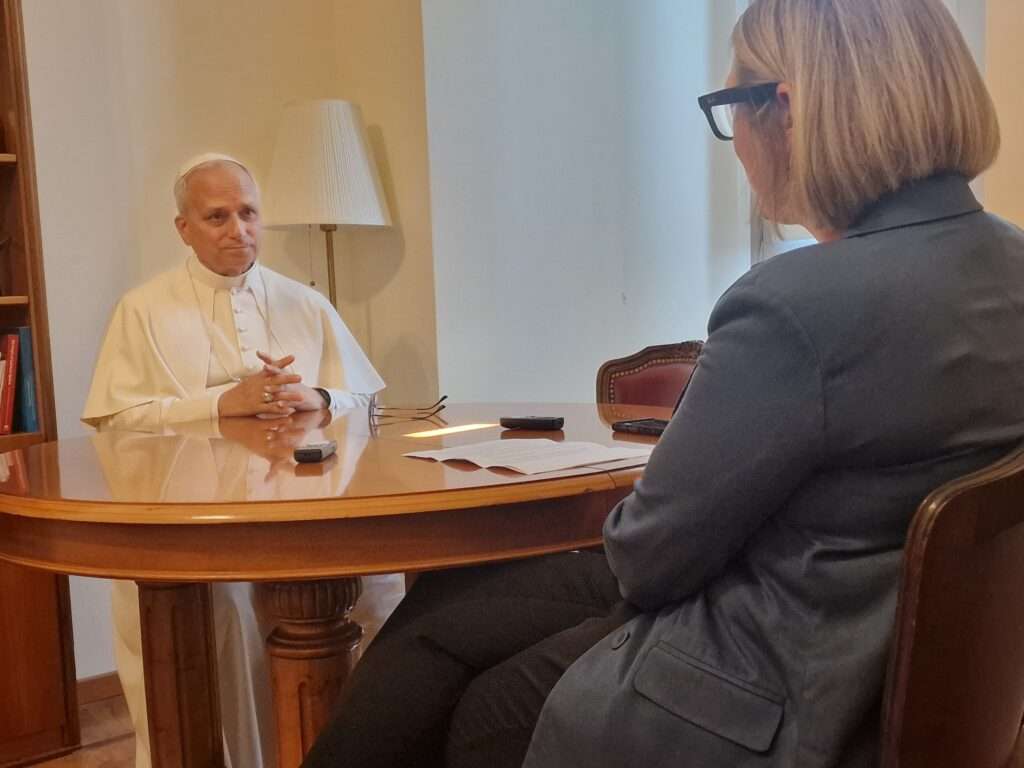
ROME (CNS) — Humanity has the potential to overcome the violence and hatred that is increasingly dividing people, Pope Leo XIV said in an excerpt from his first interview as pope.
“I think it’s very important to start a deeper reflection, of trying to figure out: Why is the world so polarized? What’s going on?” he said, pointing to several different “elements that have led to this,” including the “crisis of 2020” because of the COVID-19 pandemic, the ever-widening earnings gap between the working class and the wealthy as well as the loss of a sense of what life is really about.
“The news that Elon Musk is going to be the first trillionaire in the world…. What does that mean, and what’s that about? If that is the only thing that has value anymore, then we’re in big trouble,” he said.
A series of excerpts was published on September 14, the Pope’s 70th birthday, by the Catholic online news outlet, Crux, ahead of the September 18 publication of the book, “Leo XIV: Citizen of the World, Missionary of the XXI Century,” in Spanish by Penguin Peru. English and Portuguese editions of the book will be released in early 2026.
Learning to be a world leader
The book includes two separate interviews totaling about three hours of conversation in July between Pope Leo XIV and Elise Allen, Crux’s senior correspondent. The excerpts included topics such as the Pope’s favorite sports teams, how he was settling into his role as pope, the war in Ukraine, synodality, and the increasing polarization in the world.
Asked about how he is adapting to being the pope after his election on May 8, he said, “There’s still a huge learning curve ahead of me.”
The pastoral part has not been difficult, he said, “although I’m surprised at the response, how great it continues to be.”
What is totally new, he said, “is being thrown onto the level of world leader. It’s very public; people know the phone conversations or meetings I’ve had with the heads of state of a number of different governments, countries around the world, in a time when the voice of the church has a significant role to play.”
Pope Leo XIV told Allen, “We live in times when ‘polarization’ seems to be one of the words of the day, but it’s not helping anybody. Or if it’s helping anyone, it’s very few when everyone else is suffering.”
“We have to continue to remind ourselves of the potential that humanity has to overcome the violence and the hatred that is just dividing us more and more,” he said.
Addressing the roots of division
When asked how polarization can be resolved, the pope said people need to reflect on and talk about what led to the divisions.
“I don’t pretend to have all the answers,” he said, but “perhaps in some places the loss of a higher sense of what human life is about” is the root of the problem, because if people lose the sense of the values of human life, the family and society, then “what matters anymore?”
Other factors contribute, too, he said, but “one which I think is very significant is the continuously wider gap between the income levels of the working class and the money that the wealthiest receive.”
“For example, CEOs that 60 years ago might have been making four to six times more than what the workers are receiving, the last figure I saw it’s 600 times more than what average workers are receiving,” he said, commenting then on news that a proposed compensation package from Tesla could make its CEO, Musk, become the world’s first trillionaire.
Synodality could be a sort of antidote to polarization by being “a way of addressing some of the greatest challenges that we have in the world today,” he added.
“If we listen to the Gospel, and if we reflect upon it together, and if we strive to walk forward together, listening to one another, trying to discover what God is saying to us today, there is a lot to be gained for us there,” he said.
Click the button below to continue reading the article from
The Good Newsroom

We joyfully announce the forthcoming celebration of Marriage for
II Jonathan DiCanio & Caroline Varlotta
II William Edward Synder & Alyssa Doria
II Philip Saglimbeni & Deborah Ferrari

St. Veronica’s Guild 104th Communion Breakfast
DATE: Saturday, October 25, 2025
TIME: 8:30am (After Mass & Rosary)
LOCATION: Immaculate Heart of Mary
Ticket Price: There is no charge
We would like to extend a warm welcome to Fr. Stephen Ries and our newest member, Dalila Teran.
DATE: Saturday, October 25, 2025
TIME: 8:30am (After Mass & Rosary)
LOCATION: Immaculate Heart of Mary
Ticket Price: There is no charge
We would like to extend a warm welcome to Fr. Stephen Ries and our newest member, Dalila Teran.
We extend our prayers for the members who have gone
Home to their eternal reward: Mary Andruss, Mary Dorata,
Angi Frusciante, Jean Schwartz and Judy Keane
If you are interested in coming, please call:
Edith McMann at 914-693-6528
Come alone or bring a friend
Looking forward to seeing you there
HOPE COMMUNITY SOUP KITCHEN
NEEDS YOUR HELP!
- We are looking for more volunteers to cook for the HOPE Community Supper Program. The need is greater than ever. Cooking is done at home and delivered to the Church, it is then picked up and delivered to HOPE Community Services in New Rochelle (www.hopecommunityservices.org).
- Timing: Held every third Friday, and also the occasional 5th Tuesday of the month.
- NEXT HOPE SOUP KITCHEN Drop off: Friday, October 17th by 11:00AM
- If cooking is "not your thing" we could use help with shopping for other food items
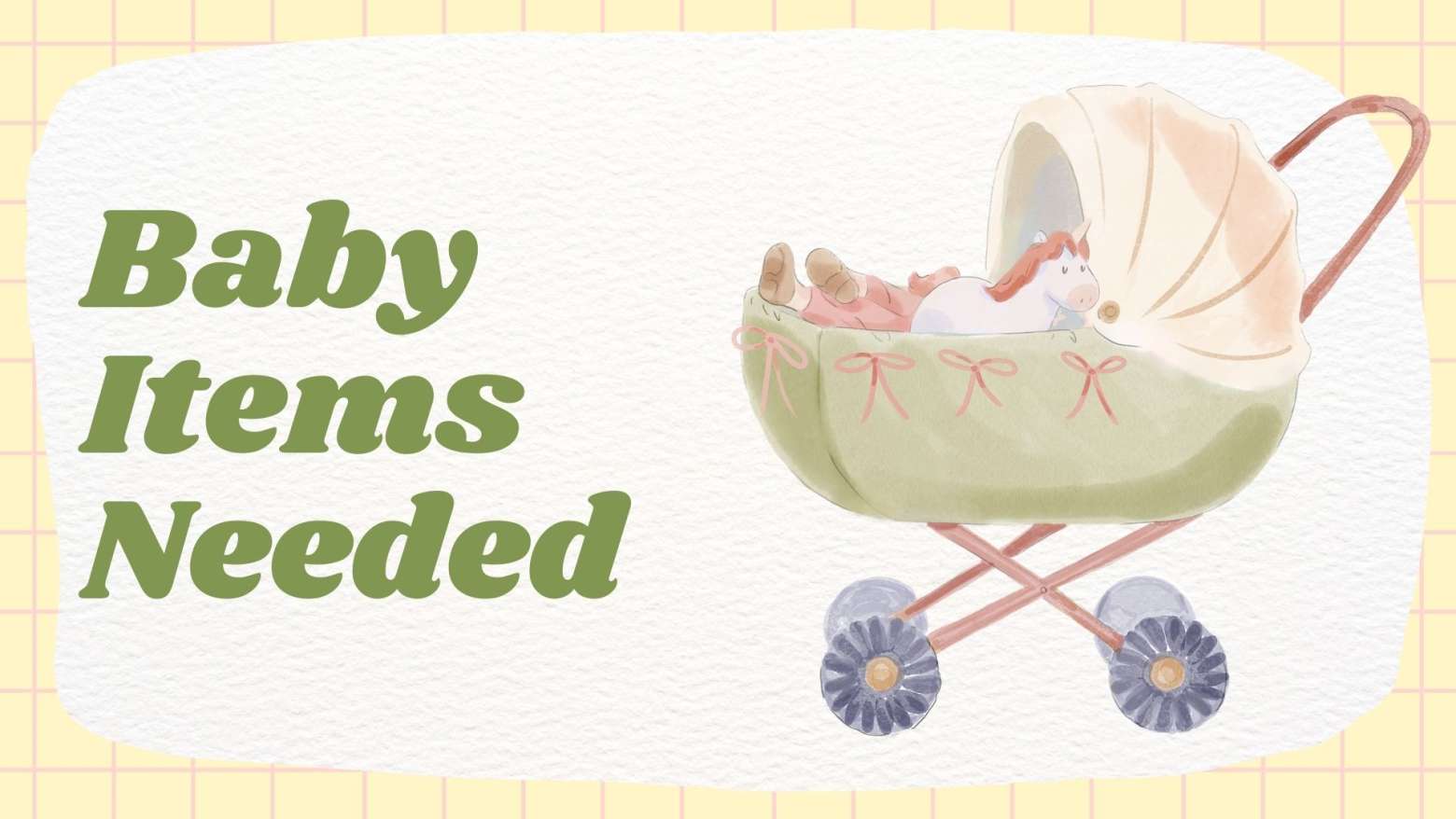
Baby Items Needed!
A bassinette will be set up in front of The Christ The King Altar and will be there for the entire month of October. Baby items needed: receiving blankets, undershirts and stretchies (6-18 months), diapers, disposable (newborn and next size up) clothing (6-18 months), baby wipes, formula. Please, no large items or furniture. Please call Johanne Grogan at (914) 472-0316, or Jeanne Scarcella at (914) 723-3744 for additional information. All items will be donated to Sisters of Life.
The Eastchester Columbus Day Parade and Carnival will take place at Lake Isle Country Club on Friday, October 7th-Monday, October 10th.
CLICK HERE to access the website with details about the weekend's events!
CLICK HERE to access the website with details about the weekend's events!

The IHM High School of Religion (HSOR) welcomes all high school students to our weekly gatherings on Wednesdays from 7:30- 9:00PM in the lower Church Hall. We offer a fun and relaxing faith community of service projects, Prayer & Pizza, Game Nights, Sacraments, lively discussions and Open Gym.
Come see why our students say HSOR “is a night out in the middle of the week!”
Click the button below if you would like to enroll or for more information from our coordinator, Nancy Vericker
2025 Public Square Rosary Rally
You are invited to the 2025 Public Square Rosary Rally on Saturday, October 25th at 12:00 noon. Will take place in the North Parking lot of IHM Church in Scarsdale, in front of the statue of Our Lady. This year as we pray Our Lady’s Rosary and other prayers in her honor, we invoke her blessings on marriage and the family and on our country and the world, and especially for Peace. This Rally is one of 23,000 rosary rallies, organized by America Needs Fatima, that will take place all over the United States. Please make an effort to attend. The Rosary Rally Captain is Priscilla Parameswaran (914) 723-0271. Please bring your lawn chairs and be there on time.

Our next Midnight Run is scheduled for Saturday, December 6th. We are urgently in need of the following items and ask that they arrive by Sunday, November 30th:
- Men's jeans waist size 30 thru 34, any length
- Men's sneakers sizes 9 thru 13
- Men's long sleeved shirts and hoodie wear especially large and XL
- Toiletries especially bars of soap, deodorant, toothpaste, and shampoo
We will also be needing jackets, coats, and winterwear as the cool weather arrives. As you search through your closets, please keep us in mind as you discover items which you have outgrown or lost interest in!! Please make sure that donations are in good shape with no holes or stains
Anyone who is interested in any aspect of Midnight Run — driving, sorting, food prep—please email ihmmidnightrun@gmail.com, thank you!
Anyone who is interested in any aspect of Midnight Run — driving, sorting, food prep—please email ihmmidnightrun@gmail.com, thank you!

IHM Food Pantry - Our Shelves Are Bare
Donated bags of nonperishable food and toiletries are prepared for those who come to the parish seeking assistance. We also provide food to the HOPE Soup Kitchen and respond to special requests received by our pastor for families in need.
Most Requested Items: Coffee, Cereal, Peanut butter & jelly, Canned fruit & vegetables, Canned tuna & canned soups, Pasta meals in a can, Pasta & pasta sauce, Rice, Granola & protein bars, Snack packs of raisins, Shelf-stable milk, Sugar packets, Toothpaste, Shampoo, Body Wash, Bar Soap, Toilet Paper.
Your generosity helps us continue to support those in need within our community. Thank you for your kindness and support!
With gratitude,
IHM Food Pantry
IHM CONTINUING EVENTS
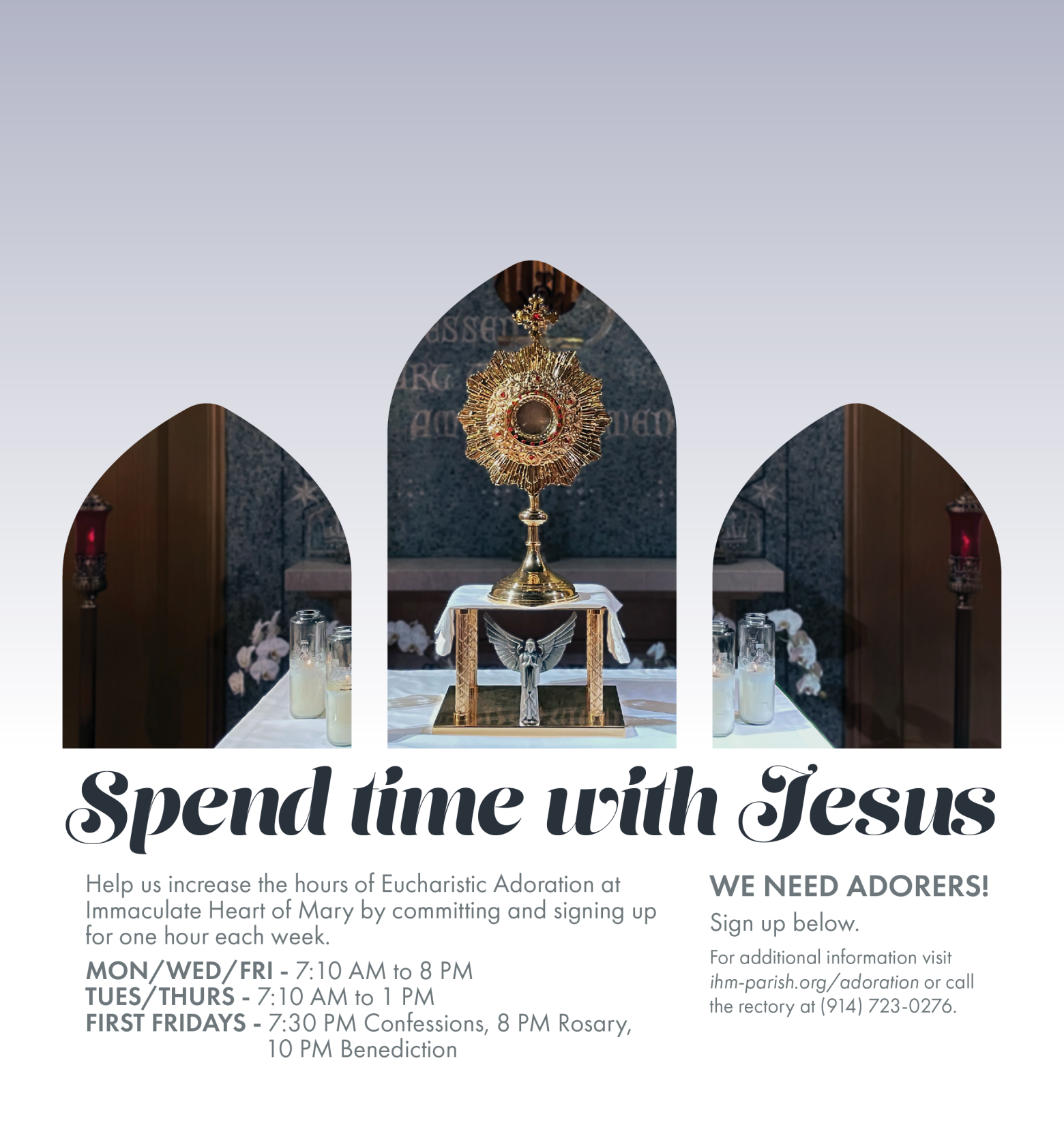
EUCHARISTIC ADORATION AT IHM
in the Marian Chapel
Monday, Wednesday, Friday - 7:10AM-8:00PM
Tuesday, Thursday - 7:10AM-1:00PM
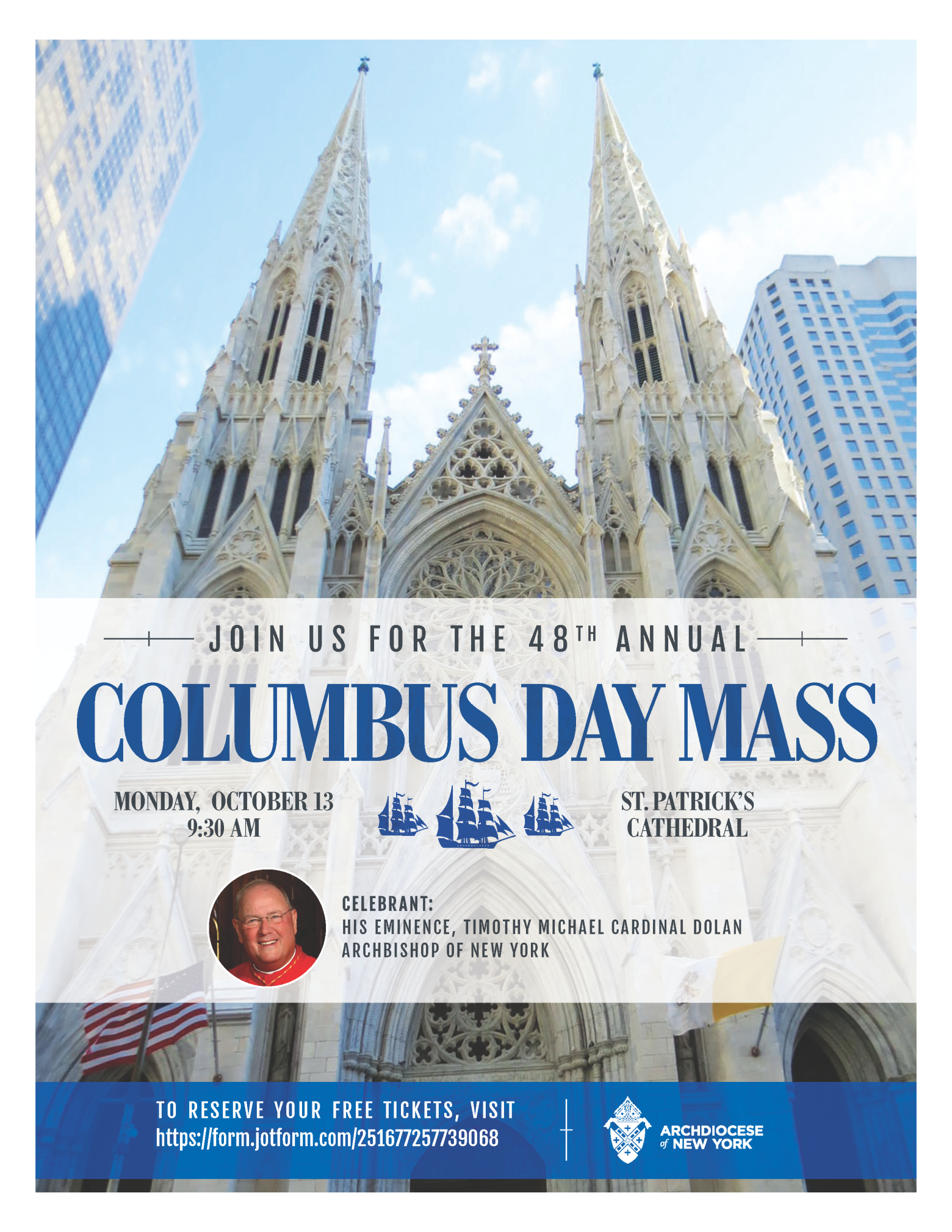
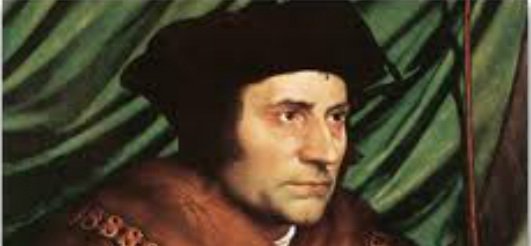
The Guild of Catholic Lawyers of New York invites you to attend the Annual Red Mass for the Legal Profession at St.Patrick's Cathedral on October 27th at 5:30PM. His Eminence Cardinal Dolan will celebrate the Mass. Click the button below for more information.
40 Days for Life is a life-saving prayer campaign that will take place throughout our Archdiocese starting on September 24 and concluding November 2. 40 Days for Life is a peaceful initiative consisting of 40 days of prayer and fasting, peaceful vigil at abortion facilities, and educational outreach with the goal of protecting mothers and their children from abortion. More than 22,000 unborn children have been saved from abortion during 40 Days for Life campaigns. To learn more about the 40 Days for Life campaign, visit: www.40daysforlife.com

The Beginning Experience Ministry is a peer led ministry that serves those grieving the end of a spousal relationship due to death, divorce, or separation. Men and women of all ages and faiths are welcome to attend.
- Healing Weekend: an in-person overnight weekend retreat at Linwood Spiritual Center Rhinebeck, NY from October 24 - 26. For information or to register please call Phyllis at (914) 261-5812 or Gloria at (646) 281-4790.
- In the Beginning…Coping with Life Alone: one day remote via Zoom program held on Saturday, November 1st from 9AM - 4PM. For information or to register, please call Jim at (845) 220-7883 or Denise at (845) 325-3147.
For more information, please email beginningexperienceofhv@gmail.com or visit www.beginningexperiencehv.org.

In 1995, Pope St. John Paul II wrote a Letter to Women, which emphasized the important role women play in society and the Church. The Pope spoke of the distinct attributes of women—receptivity, sensitivity, generosity, and maternity—all of which make up the feminine genius.
This brunch takes its name from those amazing God-given attributes endowed to you as women! Why? Because it is our hope that the talks and experience of this brunch will reveal to you your amazing gifts as women and open your heart to the Holy Spirit who longs to spark these gifts to life!
Join the Sisters of Life for a beautiful morning set aside to marvel at the mystery of God and His plan for each of us.
Come discover God’s plan for your ultimate flourishing! Invite a friend, mother, daughter, sister!
This brunch takes its name from those amazing God-given attributes endowed to you as women! Why? Because it is our hope that the talks and experience of this brunch will reveal to you your amazing gifts as women and open your heart to the Holy Spirit who longs to spark these gifts to life!
Join the Sisters of Life for a beautiful morning set aside to marvel at the mystery of God and His plan for each of us.
Come discover God’s plan for your ultimate flourishing! Invite a friend, mother, daughter, sister!
Join us for the next Feminine Genius Brunch
on Saturday, November 8th at St. Joseph's Seminary
Click the button below to register!

Young Members:
- IHM High School of Religion (HSOR): HSOR meets on Wednesdays at 7:30PM in the lower Church. We offer a fun and relaxing faith community of service projects, Prayer & Pizza, Game Nights, sacraments, lively discussions and Open Gym. Come see why our students say HSOR “is a night out in the middle of the week!” High school students grades 9-12 are welcome. CLICK HERE for HSOR Enrollment or for more information.
- IHM College & Young Adult Group for those age 18-25: Click here to reach out to participate and for more information.
- Scouting:
- IHM Troop 2 (Boy Scouts): Welcomes 5th through 8th grade boys interested in outdoor adventure. If hiking, camping, white water rafting and first aid skills interest your child, consider joining! For more information, email info@troop2scarsdale.org or visit www.facebook.com/Troop-2-Scarsdale.
- The IHM troops are Scarsdale/Edgemont Girl Scouts. Click here for more information.
Prayer Groups:
- IHM Centering Prayer Group: Please note that the prayer group will not be meeting this year. For more information, contact Elise Kuhn at 914-725-4728.
- Charismatic Morning of Renewal Meeting at the House of Prayer: This group meets on Thursdays after the 9:00AM parish Mass - Morning Prayer, Exposition of the Blessed Sacrament with Intercessory Prayer and a discussion of the Scripture Readings for the coming Sunday.
- IHM Women's Prayer Group: The Prayer Group holds weekly prayer gatherings for women Thursdays from 7:00-8:00PM in the Church Library (or chapel in warmer months). CLICK HERE for more information, or contact the Rectory (914-723-0276 or ihmchurch@ihmscarsdale.org).
Adult Faith Formation:
- IHM Bible Discussion Group: The IHM Bible Discussion Group meets on Tuesdays at 7PM in the lower Church. The group will begin its examination of New Testament epistles. CLICK HERE for more details, to submit questions, or if you are interested in joining.
- IHM School of Community: Members of the ecclesial movement Communion and Liberation (CL) invite parishioners of IHM to join us for our weekly meetings of School of Community. We meet because we understand that our Christian education must continually be renewed and is understood more deeply in companionship with others. We focus on the texts of Father Luigi Giussani, founder of Communion and Liberation. Our weekly meetings are Wednesdays from 7-8PM in the Rectory Conference Room. A Zoom connection is provided for those at home unable to join us. For more information email Betsy Nolan at enolan110@gmail.com and take a look at the U.S. Communion and Liberation website. CLICK HERE for more information.
Becoming Catholic & Catholics completing their Sacraments: The OCIA (Order of Christian Initiation of Adults - formerly RCIA) is a process of initiation into the Catholic Community of Faith for persons who are experiencing a conversion in their lives and seeking either Christian baptism in the Catholic Church or full Communion with the Catholic Church and completion of the Sacraments of Eucharist and Confirmation. Please contact the Rectory and one of our coordinators will reach out to you (914-723-0276 or ihmchurch@ihmscarsdale.org).
Religious Education: On the day of your child's/children's Baptism, the Church pledged to you, the parents, our assistance in raising them in the practice of the faith to keep God's commandments as Jesus taught us, by loving God and our neighbor. Here at Immaculate Heart of Mary, our Religious Education Program is part of this integral formation in the faith that would include daily prayer at home, family participation in Sunday Mass (and on Holy Days of Obligation), periodic Confession, and the Corporal and Spiritual Works of Mercy flowing out from your dinner table. The goal is to come to know Jesus in and through the Church, to know, understand and be able to explain our Catholic faith, and to live the life of Jesus through faith, hope and charity. For more information please email ihmsor@ihmscarsdale.org or call 914-723-7593.
School: Rooted in the mission Jesus Christ gave to the Church to go out to the world to preach, to sanctify and to shepherd souls, IHM School seeks to work with parents in forming their children in the faith and educating them for life in the world by faithfully and charitable teaching Jesus Christ and the two-fold command to love God and our neighbor, to immerse the students in the sacramental life of the Church so that they may know of God's presence in their lives and come to unite their lives for the glory of God, and to help lead and guide them on their journey through life to heaven by building up the virtues our faith has received from the Apostles. For more information and to register call 914-723-5608 or go to ihmscarsdale.org.
Social Ministries: IHM parish is involved in many social ministries, including Midnight Runs into Manhattan to bring food and clothing to the homeless; a food pantry and support of HOPE Community Services; annual Christmas Giving Tree, Baby Shower donations, support of mothers in crisis pregnancies, and bereavement assistance, among other needs. Click the link for Ministries on our parish's website (https://ihm-parish.org/) or call the Rectory (914-723-0276). If you have any questions, please email IHMPC@ihmscarsdale.org.

- The Church of St. Pius X Bereavement Support Group: Our parish will once again offer the Church of St. Pius Bereavement Support Group, a program designed to offer spiritual support and comfort to those who have lost a loved one. The sessions cover various aspects of the grieving process and integrate prayer, reflection, and community support. The next session will commence on Wednesday, October 8th, and continue for six consecutive Wednesdays (no meeting on October 29th) including November 19th. The meetings will take place in our Parish Pavilion, located in the lower level of the Rectory from 6:30-8pm. All participants are required to register prior to October 8th. Participants are asked to contribute $20 to cover the cost of their workbook. Please call St. Pius at 914-725-2755 if you are interested
- Monday Night Bingo: Our Lady of Mount Carmel Church Hall (92 S. Lexington Ave, White Plains) -BINGO Hall & Kitchen open at 5PM. Games begin at 7:20PM. Over $1,200 in prizes, food and refreshments. For information go to www.sjeolmc.org/bingo or call (914) 948-5909 M-F 9AM-2PM, Mondays after 5PM call (914) 686-3248
- Catholic Widows and Widowers of Yonkers will meet on Thurs, Oct 16th, 12:30pm, St. Ann's Church, Fr. Anthony Hall, 31 College Place, Yonkers. A representative from the Red Cross Campaign will speak about home fire safety and the importance of smoke detectors. Appointments can be made for free smoke detectors and installation. Info: 914.423.5331.
- Join the Little Sisters of the Poor for “Dinner by the Bite!” celebrating their 20th year at Jeanne Jugan Residence on Schurz Avenue. Their most important fundraiser of the year, it will be held at Beach Point Club in Mamaroneck on October 19th from 6-9PM. All proceeds will benefit the elderly residents of their home in the Bronx. CLICK HERE to register.
- Healing After Abortion: Do you know someone who is carrying the grief of a past abortion? There is always hope. The pain and sorrow of abortion does not need to endure for a lifetime. A “Day of Prayer and Healing” offers the opportunity to experience the love and mercy of God and to respond to His invitation to begin the journey of healing the wound of abortion. Upcoming dates in the NYC area are below. For more dates, locations, and confidential registration, or just to talk to a Sister, please call the Sisters of Life at (866)-575-0075 (toll free) or reach us by email at hopeandhealing@sistersoflife.org.
- In English: Nov. 8, 2025 and Jan. 10, 2026
- In Spanish: Oct. 11, 2025 and Feb. 14, 2026
- Local Volunteer Opportunity: Newly opened White Plains Hospital Physician Associates of Scarsdale is looking for weekly volunteers to assist with escorting and directing patients within our 70,000-square-foot multi-specialty outpatient center. In October 2025, WPHPA of Scarsdale will bring together more than 40 physician experts across nearly 20 medical specialties, advanced imaging and diagnostic testing all under one roof. With ample free parking available, this new facility makes it even more convenient to get high-quality care, close to home. This is a wonderful opportunity for volunteers who are looking to make a difference in your community while being on the move! Location: 750 White Plains Road, Scarsdale, NY 10583Times Needed: Mon-Fri, shifts available between 8a-5pmFor more information, please contact us at volunteers@wphospital.orgor914-681-1225. Details regarding volunteer onboarding can be found here.

Parishioners who attend DAILY MASS, can sign up to receive an email each day for the readings of the day. If you would like to subscribe to the emails for the daily readings, Click HERE
For THIS SUNDAY's Readings, October 4/5, Click HERE
Please be advised that you can print them out at home or you can use your phone or tablet to follow along with the readings in church or at home.

SUNDAY, October 5, 2025
27th Sunday in Ordinary Time
27th Sunday in Ordinary Time
5:30PM - William Scalley (Anniversary) by Ann McKeon
7:30AM - Maureen Carney by Patricia McCarthy
9:00AM - Augustine and Anna Trapasso, Ralph Della Cava, Sr. and Eva Dias
by Lorraine Verge and family
10:30AM - Anthony Colavita by the Deegan Family
12:00PM - Thomas Carroll by Michael Farrell
MONDAY, October 6, 2025
St. Bruno, Blessed Marie Rose Durocher
6:45AM - Terese & Joseph Foy by the Mulcahy Family
9:00AM - Ed Ryan by Gerry Ryan
TUESDAY, October 7, 2025
Our Lady of the Rosary
6:45AM - John Moscato by Rosaria Mastronardi
9:00AM - Anthony & Jack Esposito by Kathryn Esposito
WEDNESDAY, October 8, 2025
6:45AM - Barbara Grossberg by Andrew M. Grossberg (Mother)
9:00AM - Luc Legrand by Lucille & Ernst Smith
THURSDAY, October 9, 2025
THURSDAY, October 9, 2025
St. Denis & companions, St. John Leonardi
6:45AM - Dorothy Donovan by Jim Donovan & Family
9:00AM - Rose I. Bruen by the White Family
FRIDAY, October 10, 2025
6:45AM - Vito A. Giordano by Stephen Giordano
9:00AM - Michael C Bogdan by Jolan B. Bloss
SATURDAY, October 11, 2025
St. John XXIII, Mem. of Blessed Virgin Mary
8:30AM - Sarah Caro by Phyllis Caro
5:30PM - Ellen and Dennis Durniak by the Seminara Family
5:30PM - Ellen and Dennis Durniak by the Seminara Family
Remembrances for the Week of October 5th
Church Sanctuary Lamp in Memory of:
Jon-Michael Ghiozzi & Rina & Severino Ghiozzi
Jon-Michael Ghiozzi & Rina & Severino Ghiozzi
As part of the Communion of Saints and members of the Body of Christ,
it is important for us to pray for our sick members and for those who have died.
Please Remember in Your Prayers
The Sick of Our Parish
Margaret Mary Ambrose
Jason Bergen
Joan Boccardi
Gino Catalano
Joan Boccardi
Gino Catalano
Anthony D’Agostino
John Dunleavy
Sean Fogarty
Sean Fogarty
Dr. Peter Healy
Carolyn Giordano
Carolyn Giordano
Jeffrey A. Callaro
Eilzabeth (Betty) Crupi
Vicki Vandenbark Mathias
Mafalda Rossi
John Kahl
Rich Meyers
Lynn Mariani
Lynn Mariani
- If you wish to be included by name, please contact the Rectory (ihmchurch@ihmscarsdale.org or 914-723-0276).
- If you are calling for another person, please ensure his/her permission.
- Our parish will keep the name of a deceased parishioner or loved one for 2 weeks on our bulletin and Sunday Mass lists.
Prayer for Healing
Dear Lord, We lift up all those who are
facing illness today.
We ask that You would bring Healing,
Comfort, & Peace to their bodies.
Calm their fears
Let them experience the
Healing powers of your love.
Amen.
A Prayer to our Guardian Angel
Angel of God,
my guardian dear,
to whom God's love commits me here,
ever this day be at my side, to light and guard, to rule and guide.
Amen.
Angel of God,
my guardian dear,
to whom God's love commits me here,
ever this day be at my side, to light and guard, to rule and guide.
Amen.

FOLLOW IHM PARISH ON SOCIAL MEDIA!
Social Media helps parishioners stay up to date through interactive posts that highlight the happenings of the Parish on a public platform. Please show support by using the links below to follow us!
CLICK HERE to follow us on Instagram
CLICK HERE to follow us on Facebook
CLICK HERE to follow us on Instagram
CLICK HERE to follow us on Facebook
BULLETIN ADVERTISEMENTS
Thank you to our local merchants for
supporting our electronic bulletin!
supporting our electronic bulletin!